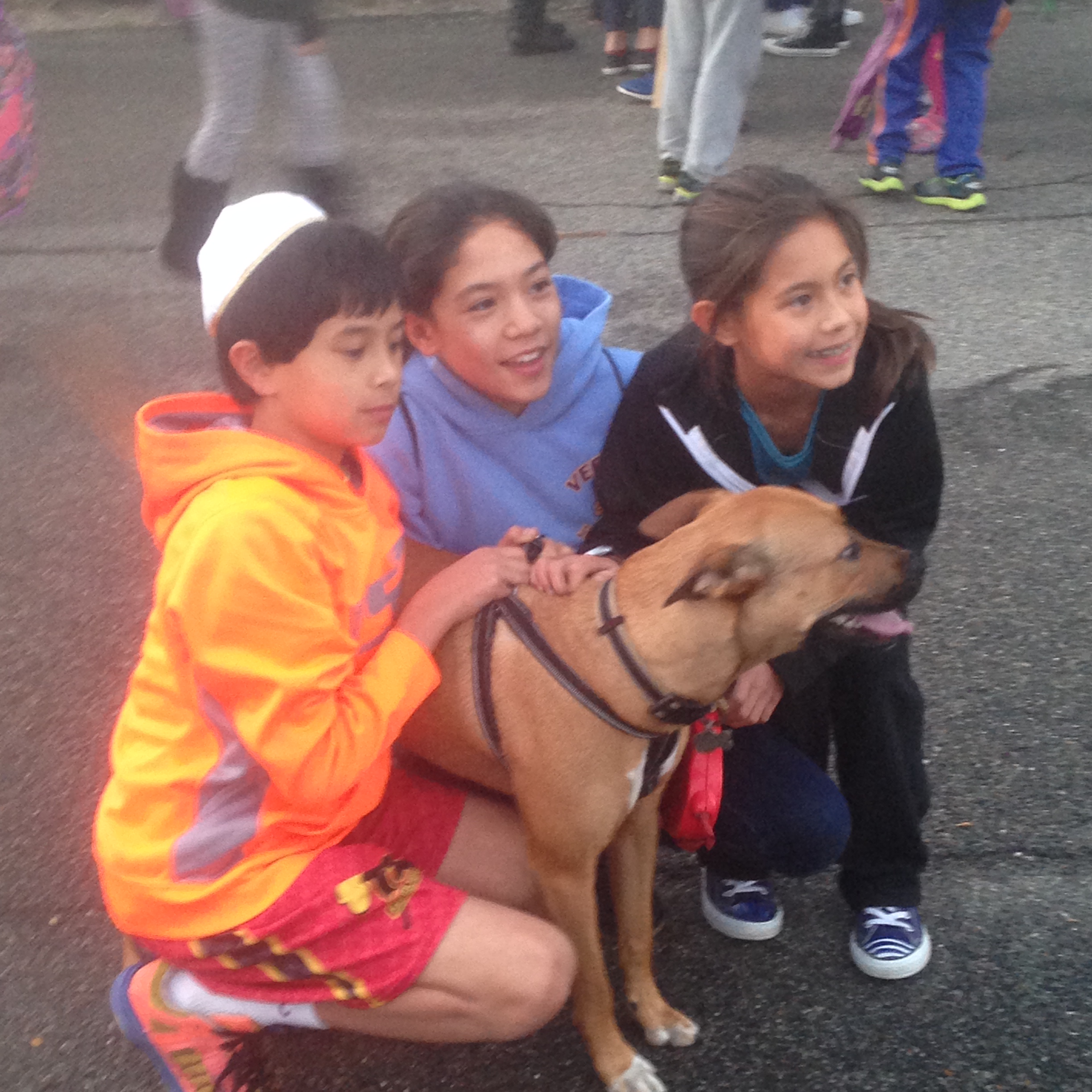
Blessing of the Pets

IMG_9447 IMG_9452 IMG_9456 WIMG_9469

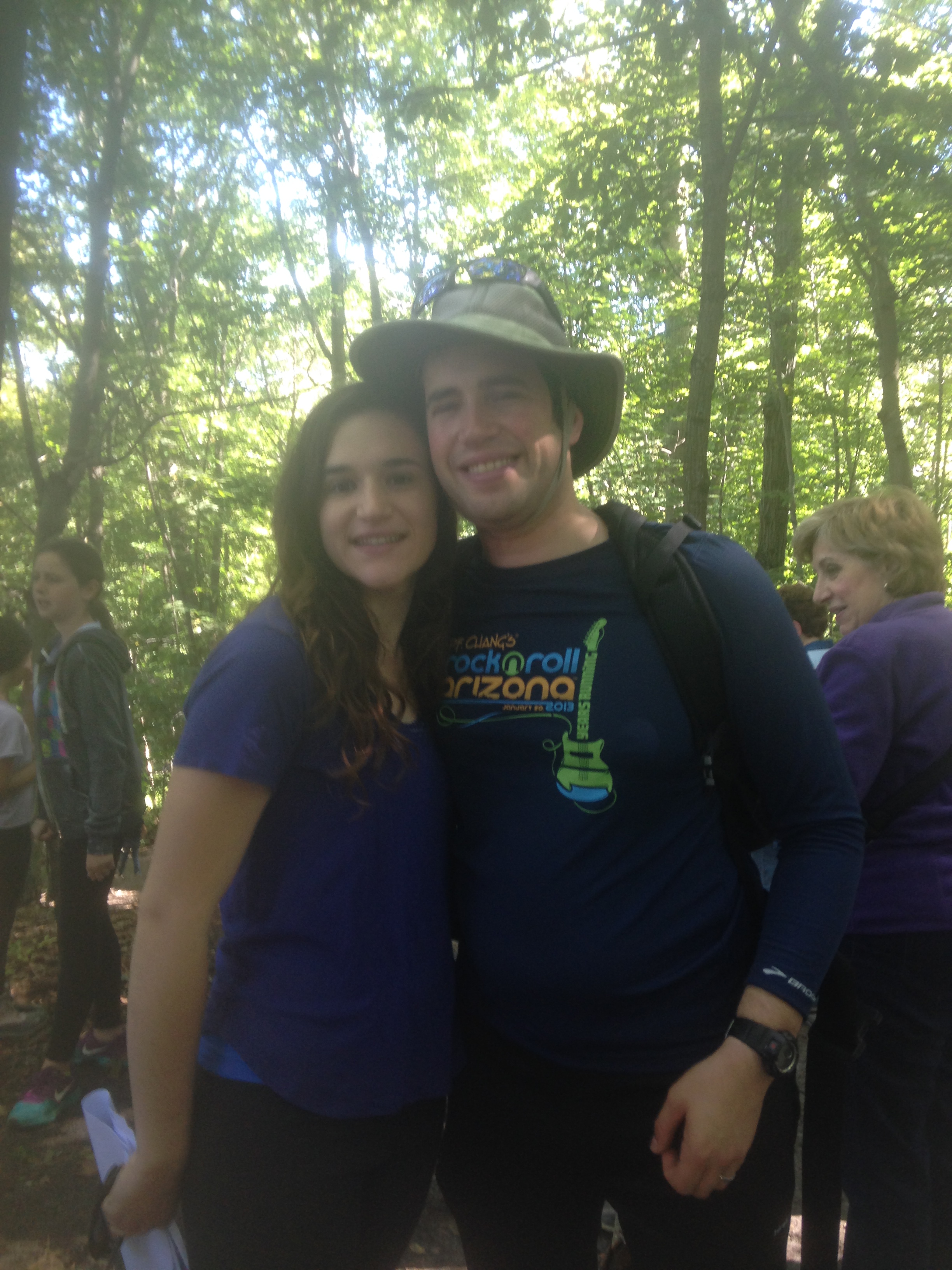
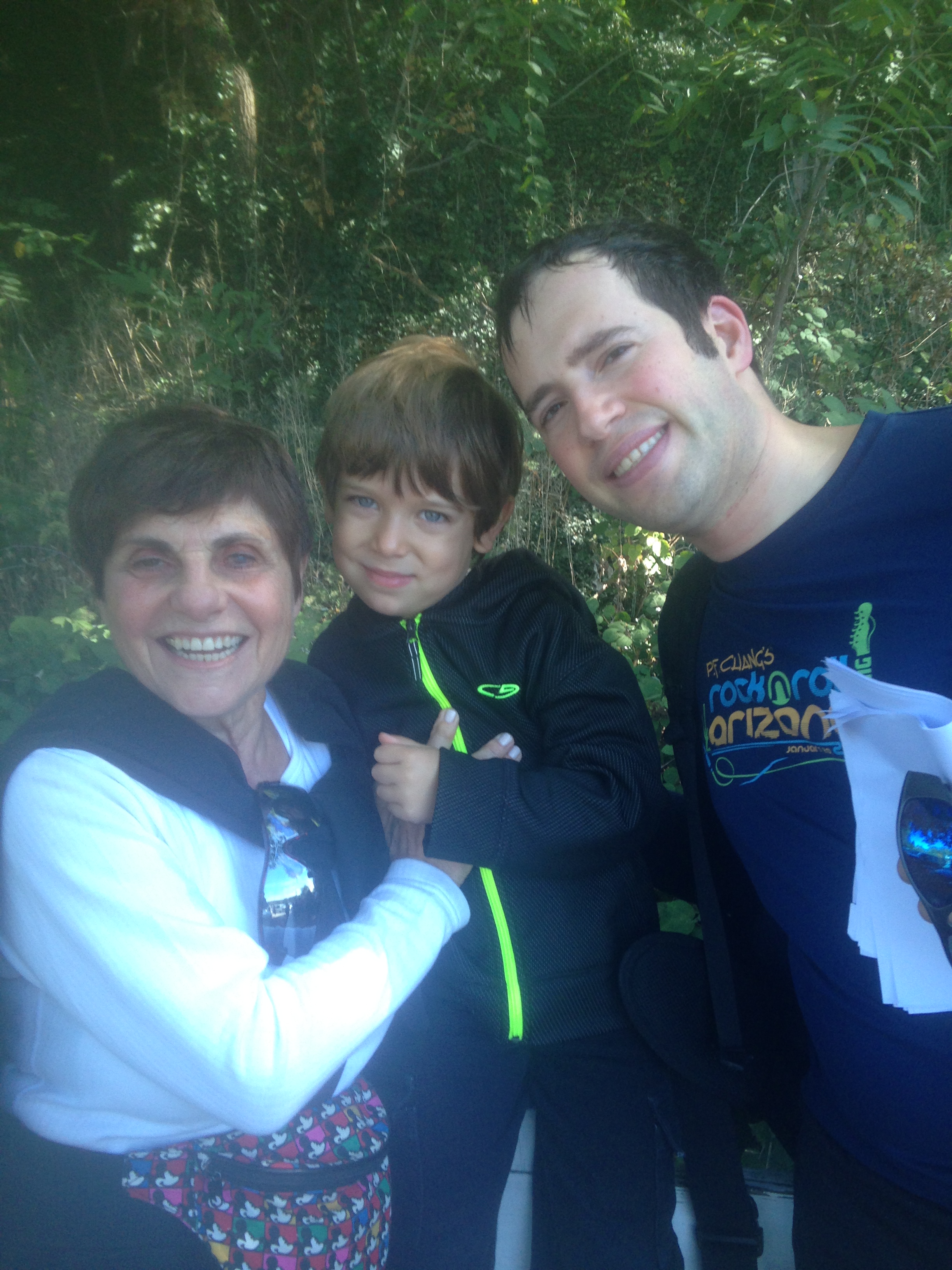
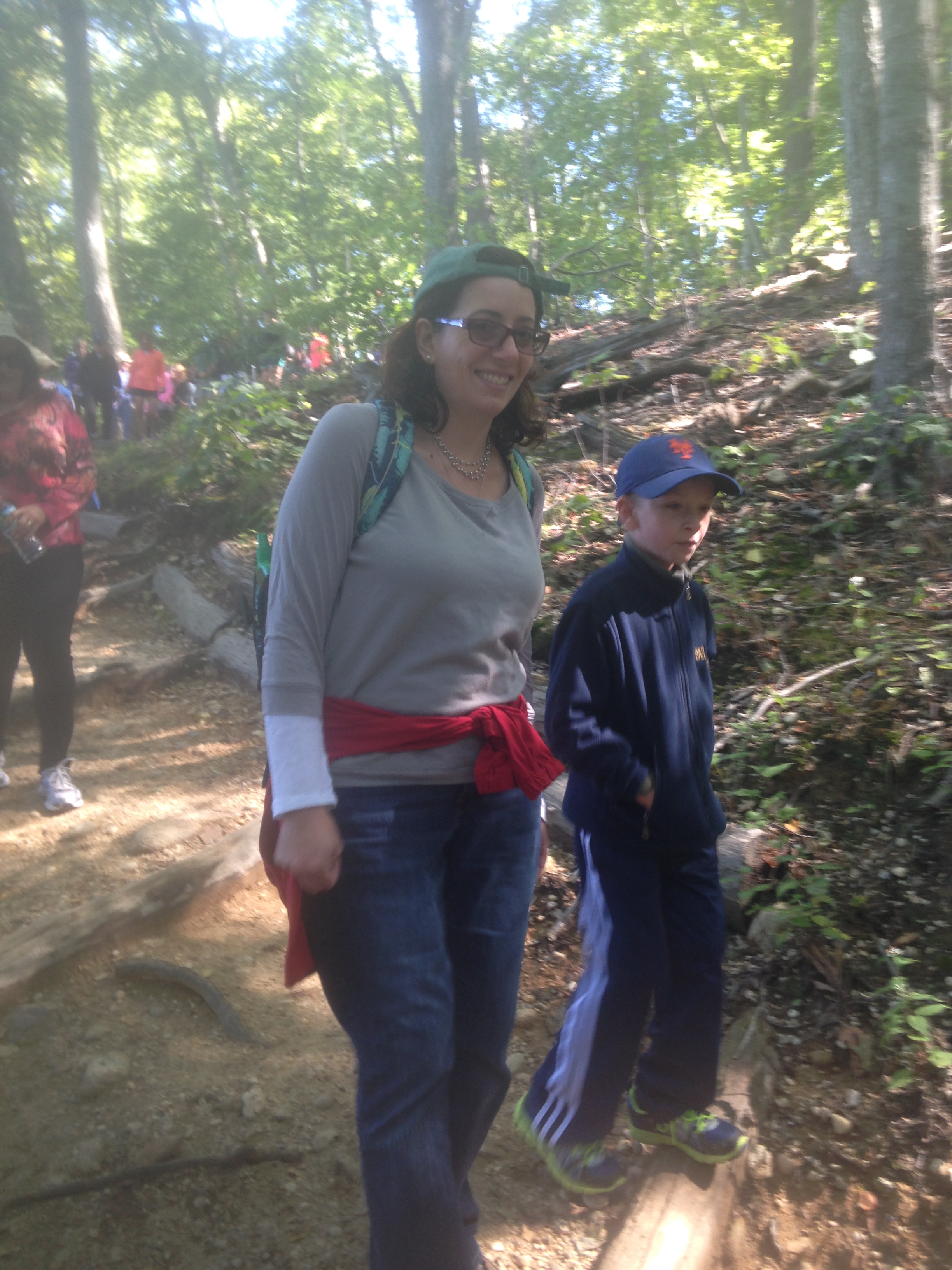
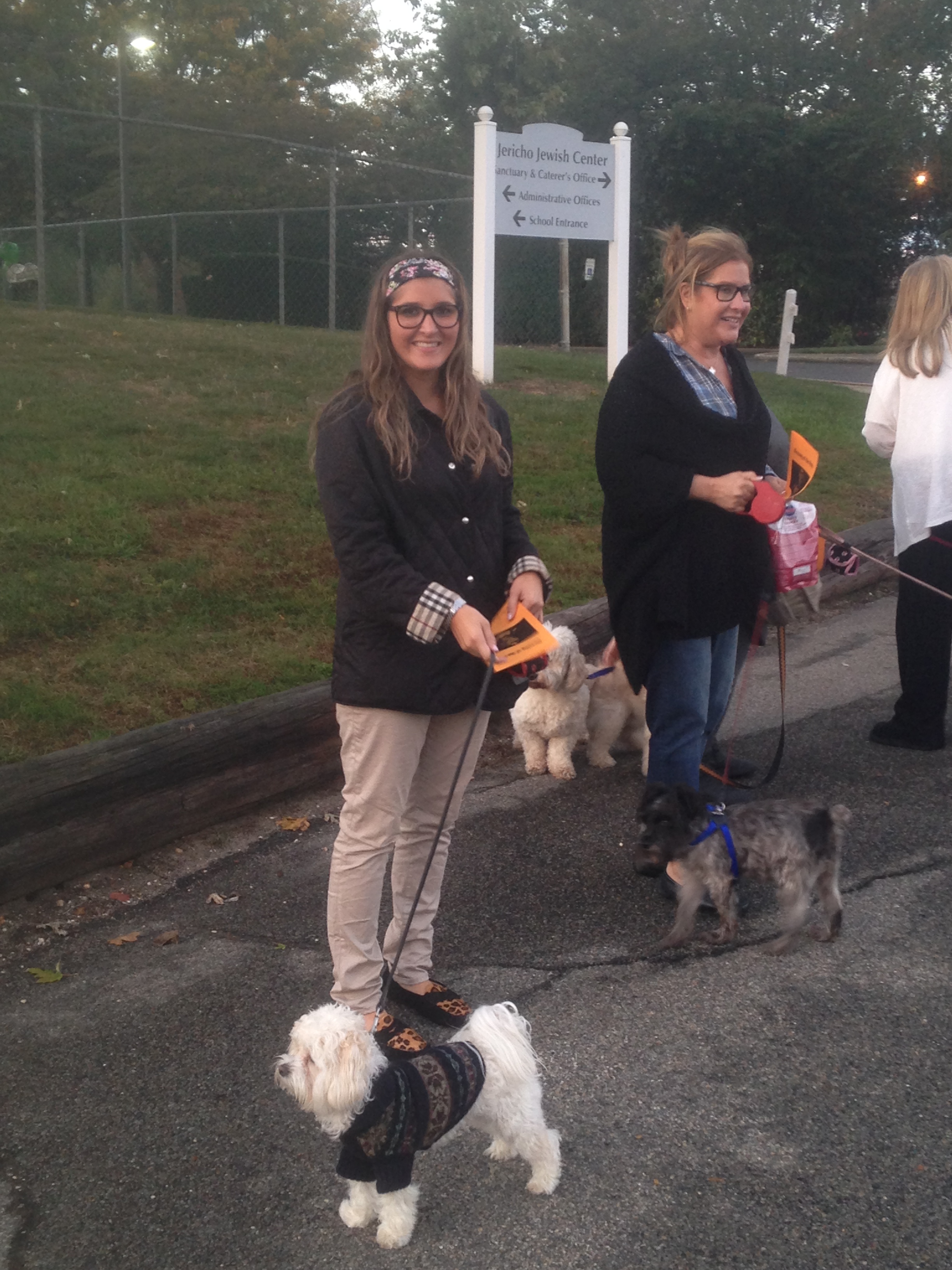
We had a wonderful time at the Jericho Jewish Center’s first blessing of the pets. Blessing animals is something which has roots in Christianity, with St. Francis of Assisi blessing them 800 years ago. Why then have many synagogues chosen to take on this ritual? A few central reasons

1.) Blessing our pets enables us to appreciate their roles in our lives. For so many, their animals have an integral role in the family, and it is important to honor this.

2.) A connection is made to Parshat Noach, which we read this coming Shabbat, when the animals were saved from destruction.

3.) There are many contemporary blessings and rituals that are being created (one of my teachers at the Seminary wrote a blessing for finishing a new book). The rabbis of previous generations created numerous blessings and rituals, leaving room for us to do so as well. Having blessings over our pets is another way for us to connect to a age-old tradition of blessing that which we hold of great value.

Which blessing should we recite over our animals? There is no one right answer. The one that I chose for our ceremony is אוהב את הבריות, literally translated to “who loves all creatures.” Though בריות often translates to people, I am using it in its more literal translation of any creature.

I am already looking forward to next year’s Blessing of the Pets.
The Death of Klinghoffer

Today was the opening day of the Metropolitan Opera’s showing of Death of Klinghoffer, a film humanizing 4 Palestinian terrorists who captured the cruise ship Achille Lauro and murdered 69 year old wheelchair-bound Leon Klinghoffer just because he was an American Jew. There was a protest outside the Met which had 100 wheelchairs and signs saying “Leon Klinghoffer is us.” I was planning to attend, but I have been feeling under the weather, so I did not make it in. However, I watched The Voyage of Terror, the film detailing the hijacking. The film shows how, while the 4 terrorists were captured (thanks to an American plane which chased theirs down), the two higher-ups in the PLO who orchestrated the attack got away due to an agreement Italy had with the PLO.

The opera was produced in 1991, so why the protests now, 23 years later? For a simple reason: the fact that Death of Klinghoffer has permeated an institution of mainstream culture is extremely disturbing. As we know from our history, propaganda and scapegoating often permeates from culture. I would feel the same way if an opera romanticizing Jewish terrorists appeared at the Met. The bottom line is that terrorist actions are being humanized is completely unacceptable and unjustifiable.

For the record, I have not seen the opera in its entirety although I have seen a number of scenes (including the opening act), which were painful to watch and which demonstrated to me the problematic nature of this opera.

Hol Sameach?

I was asked today before my Pirkei Avot class on Saturday afternoon as to whether or not I look forward to the holidays ending. For those who do not know, the Hebrew month of Tishrei (in September and October) features a marathon of holidays-Rosh Hashanah, Yom Kippur, Sukkot Shmini Atzeret and Simhat Torah. When these holidays conclude, we enter the month of Marheshvan, known as the bitter month because it contains no holidays. Many, however, enjoy this month because of its return to “ordinary time”: regular weeks uninterrupted by preparing meals and holiday prohibitions.

When I was at the Jewish Theological Seminary and the holidays ended, we said to one another “Hol Sameach”-in other words, enjoy “ordinary time,” full weeks without holidays. Like others, I genuinely appreciated this break from holidays (especially in a year like this when the holidays are directly followed by Shabbat). With that being said, I think we are missing something crucial if we celebrate the end of the holiday season. This season is meant for us to be more reflective about how we are living our lives and to celebrate time with friends and family. Now that it is over, and we return to our busy workweeks, the question is have we done that? Have we taken the time to decompress, think about our goals for the coming year, and have the proper mindset to make a difference in the world in which we live? Hopefully we have, so that we will be truly able to have a “Hol Sameach”-joyous and productive weeks of reconnecting with the world.

And You Should Be Only Joyous

Can God command us to feel joy? It certainly appears to be the case on Sukkot. Sukkot is referred to as z’man simhateinu, the festival of our joy, and we are supposed to feel only happiness on Sukkot. We do so in part by setting up a new home, a temporary booth in our yard in which we dwell for 7 days, in order to remember that our ancestors dwelt in booths when they left Egypt. We decorate the booths and have festive meals in them. Furthermore, we should be joyous because our sins have been forgiven on Yom Kippur.

I wonder why, with all the joy that is inherent in Sukkot, is it so rarely celebrated? Why has it taken a backseat to the High Holy Days of Rosh Hashanah and Yom Kippur? I often say that if 3 day a year Jews chose different days to attend synagogue, say Sukkot, Simhat Torah and Purim, they would have a much different experience which perhaps would be more joyous.

I hope this Sukkot brings only joy to you and your family. It has been wonderful to begin to experience it in Jericho and truly take in the feelings of fall: the leaves changing colors, the cooler temperatures and the celebration of the outdoors.

The Definition of Genocide

I was beside myself when I heard that Mahmoud Abbas in his speech at the United Nations accused Israel of genocide in Operation Protective Edge. I always thought genocide was the annihilation of an entire people. Modern day genocides might include Bashir Assad gassing 170,000 of his people or ISIS killing non-Muslim Christians and Yazidis in Iraq. There were genocides in Bosnia-Herzegovina, Rwanda, Cambodia, Armenia and of course the Shoah, the Holocaust, in a class of its own.

Wait a second-Mahmoud Abbas denied! that the Holocaust ever existed!  As a matter of fact his dissertation centers on this theme, as well as on the idea that the Zionists collaborated with the Nazis to murder Jews! If you don’t believe me, take a look here: http://israelbehindthenews.com/abbass-thesis-that-zionists-worked-with-the-nazis-taught-in-palestinian-schools/7159/

It is true that in 2014 Abbas retracted his statement, calling the Holocaust the “most heinous crime in human history.” (http://www.nytimes.com/2014/04/27/world/middleeast/palestinian-leader-shifts-on-holocaust.html?_r=0) However, in doing so, he compared the Zionists treatment of the Palestinians to the Nazis treatment of the Jews! http://www.jewishpress.com/blogs/elder-of-ziyon/abbas-compares-palestinians-to-holocaust-victims/2014/04/27/ He also said “I’ll never recognize Israel as a Jewish state.” In addition, upon becoming Prime Minister in 2003, Abbas argued that Palestinian terrorists should murder Jews living in Judea, Samaria and Gaza. THIS is the man with whom Israel is supposed to negotiate? Perhaps better than Hamas, but far from a peace partner.

Tishrei: A Wealth of Oppportunity

Many people have said to me that whoever put together the Jewish calendar did a terrible job. After all, five of the core Jewish holidays fall within the first four weeks of Tishrei. Why couldn’t some of them have been saved for Heshvan, which has no holidays, or for the dry spell between Shavuot and the three weeks of mourning?

I see things differently: that Tishrei presents an amazing opportunity for us to reconnect with our families and our community. By placing so many holidays in such close proximity, we are able to reconnect with God and with our tradition in a deep, heartfelt way during this time of year. Now that everyone is back from summer vacation, this is a perfect time to reconnect with family and friends at the synagogue.

I also see a great opportunity for clergy during the beginning of Tishrei. Rosh Hashanah and Yom Kippur also the only times of the year that the majority of Jews attend synagogue services, so it provides rabbis and cantors with an opportunity to touch them and leave them wanting more. If the High Holiday services touch one’s soul, there is a greater chance that he or she will come back for Sukkot, Hanukkah, a Shabbat service or a social or cultural event at the synagogue. These holidays are a gift in enabling us to reconnect with those looking for spirituality, a chance to feel God’s presence on the holiest days of the year. Let us be mindful of this as we head into Yom Kippur and let us maximize this time to reconnect with those on the margins of our congregations.

UN Peacekeepers Seek Refuge in Israel: A Double Standard

The media coverage regarding Operation Protective Edge got me very upset, but even more upsetting to me was an article in today’s Newsday about UN Peacekeepers fleeing Syria for Israel. These are the same peacekeepers who represent an organization that jumps to cry “War Crime!” every time Israel acts. If Israel is such a heinous country committing atrocities, why seek refuge there? It’s because the UN deep down knows the truth: Israel is far more humanitarian than any other country in the Middle East. It is a country where one will not be beheaded for being of a different religion, nor gassed with chemical weapons for having a different political viewpoint. I just wish the UN would not follow a double standard at condemning Israel at any given chance while concurrently viewing Israel as a haven from war.

For a few more interesting links, please see the below (sent to me by congregants). The first is a speech by Brother Rachid educating President Obama about Islam. The second is Yair Lapid’s speech at Platform 17 Memorial Site in Berlin. The third is a song by Israeli band Latma about having faith in the Higher Power watching over the Land of Israel.

http://www.youtube.com/watch?v=QxzOVSMUrGM Brother Rachid

http://www.youtube.com/watch?v=tTBhPsxKLaI Yair Lapid

http://israelforever.org/interact/multimedia/Video/we_will_never_lose_this_land/ Latma

Hiking and Halacha 2

IMG_9248 IMG_9281 IMG_9307 IMG_9279 IMG_9298 IMG_9302 IMG_9251 IMG_9267


25 congregants of various ages at the Jericho Jewish Center went on an advanced hike to Cold Spring Harbor, the start of the Greenbelt Trail which goes from Northern to Southern Long Island. This is known as the most challenging hike on Long Island, and everyone did great with the challenging uphills and slopes! We had a short teaching on blessings said over plants, herbs and fruit-including the blessing said upon smelling the etrog! There was a consensus from the group to do another hike when the leaves change in the fall, so we will try to do one after the holidays.

Now off to Waldbaums for our Apples and Honey Tasting. Busy weekend here at the Jericho Jewish Center!

Friday Night Live

At Jericho Jewish Center, we had our first Friday Night Live service, featuring piano played by Flo Baumonel and Religious School student Ben Rosner. The energy and enthusiasm shown by the 100+ participants and the feel-good nature of the service was wonderful to be a part of, in addition to the spirited singing of Cantor Barry Black and Samantha Eller. It was a great kick-off to the Religious School year and really made Shabbat come to life for our congregation.

Services began after sunset, so I do not have any pictures from the event. However, I will provide pictures of our Hiking and Halacha and Apples and Honey Tasting, both of which will occur tomorrow.

An outstanding facet of the Friday evening was that we had two services: a traditional one at 6:45 pm and our Friday Night Live at 7:45 pm. This reflects the “Tradition and Change” motto of the Conservative Movement. Some went to both services to support both, which was touching to see. We also had a festive Shabbat dinner before the Friday Night Live service sponsored by !jake’s Mens Club.

We will continue Friday Night Live throughout the year, next doing it on Friday November 14. Our goal is to provide additional options for congregants who are not engaged by our traditional offerings. Each service will be varied, so as not to become predictable, yet will have the same goal of providing an engaging, positive experience for all who attend. Through services such as this, we will bring Shabbat to life.

God as Our Rock and Our Redeemer

When I officiated at an unveiling a couple weeks ago, I thought about the tradition of placing a small rock on the gravestone of a loved one. There are numerous interpretations for this, but one strongly resonates for me. It is that the rock that we place on the gravestone is connected to a name for God-Tzur, or rock. God is referred to as our rock and our redeemer, a permanent source of comfort upon whom we can rely and who will always be there for us. Similarly, a stone is a permanent marking-not one that will decompose or fade over time. Consequently, placing a rock it is a permanent mark that we were present at the grave of a love one.

A related interpretation comes from Rabbi Simcha Weintraub, who was our Scholar in Residence at Congregation Anshei Israel in Tucson. Rabbi Weintraub writes “The Hebrew word for ‘pebble’ is tz’ror – and it happens that this Hebrew word also means ‘bond.’ When we pray the memorial El Maleh Rahamim prayer (and at other times) we ask that the deceased be ‘bound up in the bond of life’ – Tz’ror haHayyim.  By placing the stone, we show that we have been there, and that the individual’s memory continues to live on in and through us.”

It goes along the lines of a quotation I learned from my Rabbi Emeritus in Tucson: “If you continue to love the one you lose, you will never lose the one you love.” There will always be a permanent connection-one marked by a rock that is left on the gravestone.